


Introduction
The Kibard is among the most crucial input devices in the modern world of computing and communication. From writing documents to sending emails, to gaming and programming software the it is crucial roles in the way people engage with technologies. Although it’s often overlooked it’s evolution is a reflection of significant technological advancements and changes in requirements of users in the
course of time.
What Is a Kibard?
A Kibard can be described as an instrument that allows you to input text, numbers as well as commands into mobile devices and various electronic devices. It is made up of collection of keys that are used to represent the letters, symbols, as well as functions. When they are pressed they send messages to a device, which allow users to relay information or instructions.
Kibards are often used in conjunction with:
- Laptops and desktop computers
- Tablets as well as mobile phones
- Point-of-sale systems
- Smart devices and embedded systems
Early History of the Kibard
Origins in Mechanical Communication
The kibard’s origins can be traced into around the the 19th century well before the age of computers were invented. Early mechanical devices, such as printing machines and telegraphs influenced the creation of keys-based input systems.One of the biggest landmarks was the creation of the typewriter which established the concept of pressing keys in order to create written characters. These early machines set the foundations for all subsequent design it.
The Sholes and Glidden Typewriter
It was in 1873 that Christopher Latham Sholes introduced the Sholes and Glidden typewriter that featured the now famous QWERTY design. The layout was designed to eliminate mechanical jamming, by spacing the frequently used letters away. However, despite its initial purpose this layout is still prevalent in the present day.
The QWERTY Layout and Its Significance
It is the QWERTY design is named for the initial six letters that appear on the upper row of keys. It was adopted as the standard worldwide because of widespread acceptance and not due to technical superiority.
Why QWERTY Became the Standard
- Manufacturers are able to adopt early by allowing manufacturers to
- Typists have a common language
- Use in educational and academic institutions.
- Hardware and software compatibility
Despite the existence of other design options, QWERTY remains the most popular kibard layout in the world.
Transition from Computer Kibards to Typewriters

Electronic and Digital Evolution
Since the advent of computers in the late 20th century the kibards changed from mechanical devices into digital input gadgets. Instead of smudges of ink on paper, keys started transmitting electronic signals directly to computer.
This transition permitted:
- Speedier typing
- Programmable keys
- Integration of software systems
Standardization in Personal Computing
In the 1980s and the 1990s, computer keyboards were commonplace devices for computers on personal machines. Manufacturers introduced numeric keys, function keys as well as shortcut combinations to boost productivity.
Modern Kibard Design and Components
Key Components of a Modern Kibard
- Keycaps The visible surface of every key
- Switches Mechanisms that store keystrokes
- Controller converts key press into signals
- Connection Interface: USB, Bluetooth, or wireless receiver
Types of Key Switches
- Mechanical switches
- Membrane switches
- Scissor switches
- Switches with optical technology
Each type has different levels of toughness, tactile feedback and sound.
Types of Kibards Available Today
Wired Kibards
- Connection that is reliable
- No battery required
- It is recommended in gaming and professional settings.
Wireless
- Bluetooth or wireless RF connectivity
- Reduction of clutter in the cable
- Flexible and portable use
Mechanical
- Mechanical switches that are individual
- High durability
- A favorite among programmers and gamers
Membrane Kibards
- Quieter operation
- Lightweight design
- In office environments, it is commonplace
Ergonomic Kibards and Health Benefits
Why Ergonomics Matters
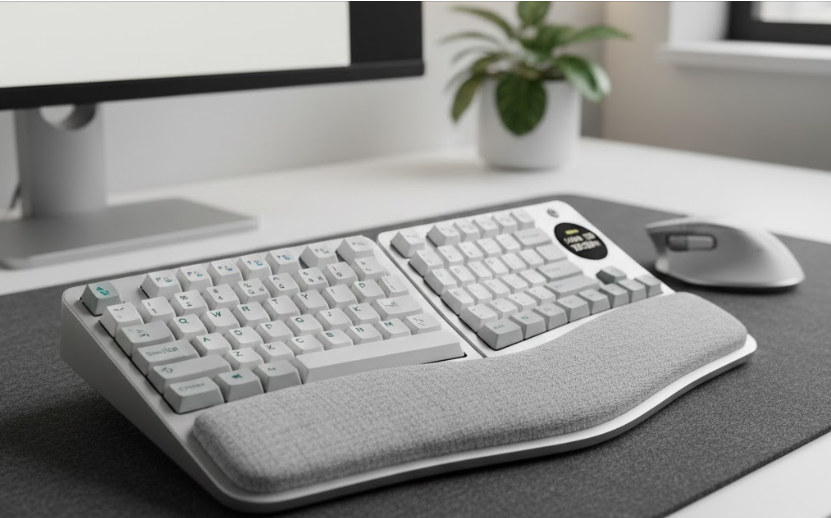
Its usage for long periods of time can result in repetitive strain injuries, such as carpal tunnel syndrome. Ergonomic Kibards are made to relieve physical strain by improving hand posture.
Common Ergonomic Features
- Split layouts
- Key alignment curved
- Adjustable tilt angles
- Wrist support
The designs are designed to improve the comfort of users and provide long-term durability particularly when typing for long periods of time.
Alternative Kibard Layouts
Dvorak Layout
The Dvorak layout puts the most commonly used alphabets on the home row, which reduces finger movements and boosting the efficiency of typing. It is preferred by a few users for their speed and comfort.
Colemak Layout
Colemak is designed to be an alternative to modern technology that balances efficiency and comfort. It has fewer keys modified than Dvorak which makes it simpler for users to move from QWERTY.
Specialized Layouts
Certain layouts are created to be used for:
- Programming
- Gaming
- Accessibility requirements
- Non-English languages
Kibards for Specialized Uses
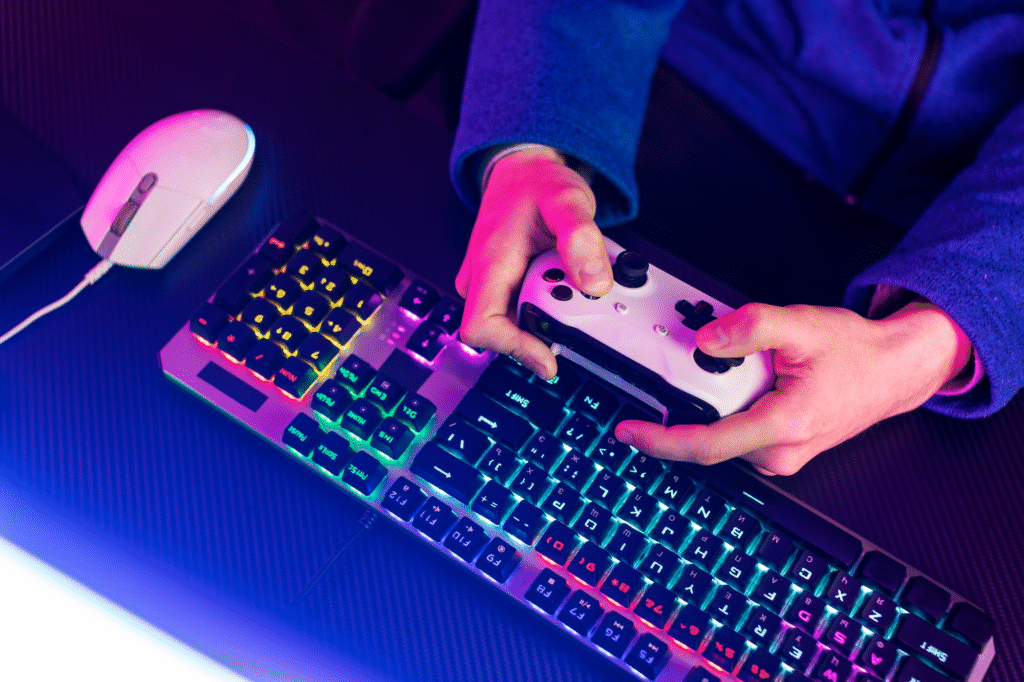
Gaming
- Programmable macro keys
- RGB lighting
- High rates of polling
Professional and Office
- Quiet keys
- Minimalist design
- The focus should be on productivity
Virtual and On-Screen
- It is used on devices that touch.
- Important for accessibility
- Software-based input methods
Wireless and Smart
Modern kibar ds have a tendency to incorporate intelligent features, such as:
- Multi-device switch
- Optimization of batteries
- Firmware that can be customized
- Cloud-based profiles
Wireless technology has significantly improved with high performance and low latency similar to wired models.
Future of the Kibard
Virtual Kibards
Virtual keyboards project keys on flat surfaces by using lasers or Augmented Reality. These designs are designed to increase the portability of keys while maintaining their function.
Holographic and AR Kibards
Holographic keyboards let users type while in mid-air, with the motion tracker and recognition of gestures. While still in development this technology, it is an opportunity to change the way we interact with our devices. interaction.
AI-Integrated Input Systems
Future keyboards could incorporate artificial intelligence in order to:
- Predict user input
- Dynamically adapt layouts
- Increase accessibility
Importance of the Kibard in Modern Society
The keyboard is the top important tools of modern-day life. Despite the rise of voice commands, touchscreens and AI keyboards, they remain the best choice for precision, speed and control in digital communications and productivity.
1. Enhancing Professional Productivity
At work, all over all over the world it is use Professionals.
- Writing emails and writing reports
- Management of spreadsheets and data
- Software development and programming
- Office and administrative work
Speedy and precise typing increases productivity, decreases errors and allows multitasking, making the keyboard essential to the professional success.
2. Supporting Education and Learning
Kibards are vital in today’s education. Students utilize it to:
- Complete assignments and work
- Conduct research online
- Join virtual classes as well as discussions
The ability to type has become an important aspect for digital literacy which allows students to effectively navigate through educational platforms.
3. Facilitating Global Communication
from email to social media, creation of content or instant messages, internet allows people to communicate to the world. It allows businesses and individuals to exchange ideas as well as collaborate across borders and take part effectively in the world of digital.
5. Supporting Accessibility and Inclusivity
Modern keyboards come with technological features that are adaptive, making technology accessible to disabled people:
- Ergonomic designs
- Alternative layouts (Dvorak, Colemak)
- Assistive devices and keyboards that are adaptive
This feature ensures that everyone has the opportunity to take part in digital activities and encourage participation in work, education and everyday life.
6. Future Relevance of the Kibard
While technology is constantly evolving and the it is constantly evolving, it continues to develop. The ergonomic design, wireless models and intelligent features keep its importance, ensuring that it is a vital device for productivity, communication and creative thinking.
Conclusion
The Kibard has evolved from a writing tool made of mechanical to a modern digital interface essential to the modern world of communication and productivity. Every step of its evolution, from typesetters to ergonomic wireless designs — reflects evolving technological requirements and expectations.
As technology continues to improve it and able to adapt by using new materials, more intelligent software integration, and ingenuous designs, such as virtual and Holographic input systems. In spite of these developments however, its primary purpose is the same: to facilitate effective, precise and reliable interactions between humans and technology.
FAQs
1. What can a kibard be used to do?
A kibard allows you to input numbers, text or commands onto electronic equipment like tablets, laptops, computers as well as smart devices. It permits users to create documents, browse the internet as well as programme programs, engage in games and also control digital functions with ease.
2. What’s the distinction between Kibard and a keyboard?
There is no difference in function. “Kibard” is a commonly utilized alternative spelling for “keyboard.” Both refer to the same device that is used to type and for command execution.
3. What year was the first time a Kibard created?
The first kibard appeared during the late 19th century, following the development of the typewriter mechanical. Early designs laid the groundwork for keyboards of the modern age that are used with computers today.
4. What is the reason why it that the QWERTY layout still in use in the present?
The QWERTY layout was adopted as the standard due to its rapid acceptance, extensive training and its compatibility across all devices. Even with newer layouts that offer efficiency enhancements, QWERTY remains dominant because of its familiarity and widespread use.
5. What kinds of kibards are in use today?
Common varieties include wireless, wired, mechanical ,ergonomic, gaming, and virtual on-screen. They are all suited for different requirements and needs in different settings.
6. Are ergonomic kibards better for health?
Yes. ergonomic kibards are made to decrease wrist, hand and arm strains when typing for long periods of time. They can reduce the chance of repetitive strain injuries, such as carpal tunnel syndrome.
7. What is an electronic Kibard?
Mechanical kibards have separate mechanical switches for each key. The switches offer tactile feedback, durability and quicker response times which makes them popular with professionals and gamers.
8. Are wireless kibards just as wired ones?
Modern wireless kibards provide the lowest latency and reliable connectivity. For everyday use and office work, they function nearly identically to wired. However, certain professionals prefer wired models to ensure maximum stability.

A Senior SEO manager and content writer. I create content on technology, business, AI, and cryptocurrency, helping readers stay updated with the latest digital trends and strategies.