


Meaning of DPSIT
DPSIT is usually linked to Digital Payment Security and Information Technology however, a variety of modern versions are now available online. Some platforms for technology also define it as an instrument to facilitate digital system integration. While others link it to well-planned implementation strategies and plans.
At its heart, DPSIT represents the connection between technology security, cybersecurity, digital infrastructure as well as operational effectiveness. Imagine running a large shopping mall in which each store uses diverse software for inventory, payment systems and databases for customers. Without a central framework linking them all, chaos would occur on a daily basis. it functions as the mall’s control centre making sure that all systems work efficiently and securely.
The reason that the phrase has gained popularity is because companies are increasingly dependent on electronic systems. Businesses process online payments and store customer data on clouds, and depend on the integration of software platforms for their every day activities. It represents the current digital world where speed, security, and coordination of systems are equally vital.
What distinguishes DPSIT distinct from other IT notions is that it has a wider scope of application. Traditional IT systems usually were able to handle tasks that were isolated. It is focused on creating environments that are connected, where information, systems and security are working in real-time. This is becoming increasingly crucial as cyber-attacks increase and the number of digital transactions continues to grow across the globe.
Why DPSIT Has Multiple Definitions
For instance Financial technology firms typically define it as an electronic payment security system. Software companies might consider it to be a digital performance and technology for system integration. Business consultants may utilize it as a framework of management that includes planning, development, strategy, implementation, as well as monitoring. In a sense, it behaves like the term “cloud.” Ten years ago, cloud computing was something to software engineers and a different thing for business managers. In the present, it is experiencing a similar transformation.
This flexibility actually is an benefit. Since the term is flexible organisations are able to use its principles to various issues. A hospital could employ DPSIT to secure patient record systems while an online store uses it to prevent fraud and management of payments. The digital world of today is awash with those systems with interconnection than being isolated. It accurately reflects this shift. It’s less about a particular technology, and more about creating effective secure, scalable, and secure digital ecosystems.
The Origin and Evolution of DPSIT
How Digital Transformation Created DPSIT
To comprehend DPSIT correctly, you must to comprehend the rise of the digital revolution. In the past decade companies have moved away from paper-based systems to cloud-based ones. Businesses no longer rely in physical servers or offices. Everything from education to banking is now accessible via interconnected digital platforms. As the systems grew larger as well as more complicated, companies required more efficient methods to integrate technology securely. It came into existence as a reaction to this increasing complexity.
Imagine the way that online shopping operates in the present. If a consumer places an order Payment gateways process transactions immediately, inventory systems adjust the stock levels in real time and shipping platforms track the delivery process in real-time. In the background, a myriad of systems communicate constantly. It is the frameworks and the technologies which enable these communications.
The increasing threat of cybercrime has also led to an increase in DPSIT adoption. Hackers are increasingly targeting payments systems, cloud database along with digital infrastructures. Security was a major concern for businesses. not be considered an individual department. Instead, security needed become part of every digital procedure. It is a reflection of this holistic approach.
The Growth of DPSIT in 2025 and 2026
The term DPSIT has gained more prominence in 2025 and 2026 due to companies around the world increased their investments in digital infrastructure as well as AI-powered systems. Online discussions today connect DPSIT and cloud computing with secure payment with AI-driven analytics, as well as the use of digital technology in integration plans.
Another reason for growth has been remote-based work. Modern companies operate across a variety of locations and different devices. Workers access their systems from smartphones, laptops, as well as cloud-based platforms. DPSIT frameworks assist businesses in managing the security of these environments while ensuring operating efficiency. Artificial Intelligence is also shaping the future of DPSIT. Monitoring systems powered by AI can now detect fraud, analyse system behaviour, and detect security risks in real-time. The combination of AI with DPSIT is predicted to become one of the biggest technology trends in the coming few years.
Core Components of DPSIT
Digital Payment Systems
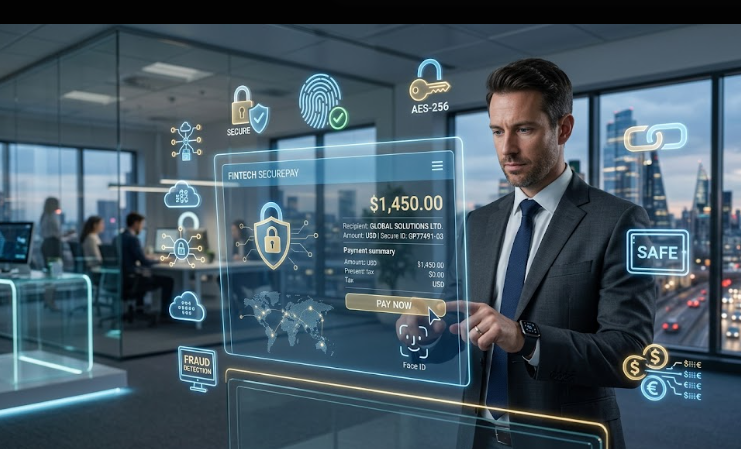
Digital payments are among the areas with the highest security that is connected to DPSIT. Each time someone makes use of online banks, mobile wallets and digital checkout platforms, a secure infrastructure operates behind the behind the scenes. it-Related technology helps safeguard financial information while ensuring transactions are quick and reliable.
Modern consumers expect instant payments. No one wants delays in transactions or faulty transfers. Its systems increase the reliability of payments by combining authentication, encryption and monitoring tools that are real-time. This results in smoother customer experiences while minimizing the risk of fraud.
System Integration
Companies often employ a variety of software tools at once. Payment platforms, customer management software HR software, inventory software and cloud services have to cooperate effectively. It insists on integrating since disconnected systems reduce efficiency and can lead to the chance of errors.
System integration acts like a translator between different technologies. If it is not there, the departments are isolated and inaccessible. It frameworks let data flow seamlessly between platforms, helping to improve the process of making decisions and enhancing automation.
Cybersecurity and Data Protection
Cybersecurity has become a crucial vital issue for business survival. One breach of data can cause irreparable damage to customer trust and cost millions in damage. It insists on the protection of digital infrastructures via encryption and firewalls, multi-factor authentication and security systems for detecting threats. Companies today keep huge amounts of data from customers. It aids organizations to manage this data in a responsible manner while also complying with the privacy requirements. Security is no longer a luxury, it is a requirement of daily activities.
Cloud Infrastructure
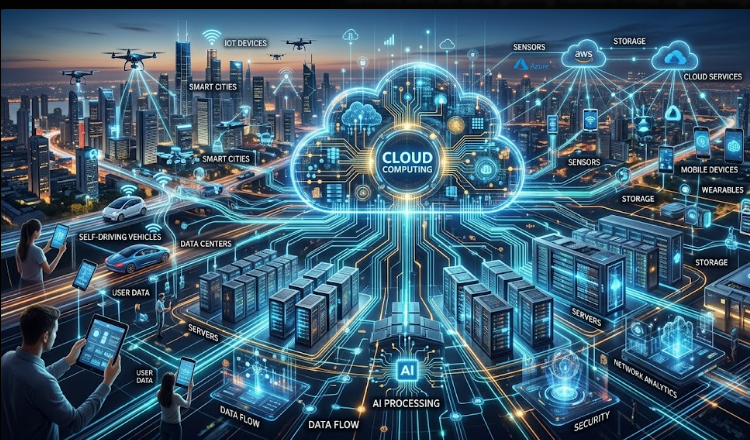
Cloud computing has revolutionized the way companies run. Instead of having everything stored physically on servers companies are now using scalable online environments. It provides cloud-based management and remote access and optimization of infrastructure. Cloud-based systems make companies more flexible. Teams can collaborate across the globe as well as scale operations quickly and cut down on hardware expenses. IT frameworks make sure that these cloud environments remain safe and efficient.
DPSIT as a Business Framework
Some companies use DPSIT as a business model, involving five key phases:
| DPSIT Stage | Purpose |
|---|---|
| Development | Innovating and implementing solutions |
| Planning | Setting goals and coordinating resources |
| Strategy | Making sure that actions align with business goals |
| Implementation | Insuring that systems and processes are executed |
| Tracking | Monitoring performance and optimizing |
Development
Development is focused on the development of new ideas and finding opportunities. Companies study market trends and develop digital solutions to enhance operations or customer experience.
Planning
Planning turns ideas into practical actions. Businesses allocate budgets, select the right technologies, and establish the timeline for projects.
Strategy
The strategy helps ensure that technology investments are in line with the larger business objectives. Without a strategy, even the most efficient systems could be discarded as resources.
Implementation
Implementation involves deploying technology as well as training teams. the integration of systems into everyday activities.
Tracking and Optimization
Monitoring performance is measured via analytics, monitoring tools as well as customer feedback. Continuous improvement keeps systems running smoothly and safe.
Industries Using DPSIT
Banking and Finance
Banks depend heavily on DPSIT technology to ensure safe operations, anti-fraud along with digital banking. Financial institutions are required to handle millions of transactions every day while securing customer data.
Healthcare
Clinics and hospitals utilize DPSIT-related technology to safeguard the patient’s records, organize appointments, and allow remote medical services.
E-Commerce
Online stores rely on DPSIT to process payments as well as inventory synchronization and security of customer accounts.
Enterprise IT
Large companies use DPSIT frameworks to connect the global operation, cloud system in addition to cybersecurity and infrastructures.
Benefits of DPSIT
The main benefit of DPSIT is its integration. Instead of having isolated systems, companies develop unifying digital environments. This boosts efficiency, speed and reliability.
Another advantage is the security. It frameworks emphasize security right from the beginning instead of considering cybersecurity as an afterthought. Companies can cut down on fraud risk and increase customer trust, and comply with current regulations. Scalability is also crucial. As businesses expand, DPSIT systems allow operations to grow without re-building entire infrastructures. Businesses can adapt to advanced technologies quicker while maintaining security. DPSIT helps improve the process of making decisions. Integrated systems produce more accurate analytics and instantaneous insights. Managers are able to react swiftly to risks, trends and opportunities.
Challenges and Risks of DPSIT
However, despite its benefits, it is also brings challenges. One of the biggest challenges is complex. Integrating several systems requires expertise in technical aspects as well as a solid plan and constant monitoring. Cybersecurity risks are a major issue. Even sophisticated systems are the target of hackers. Companies must upgrade security protocols frequently to remain secure. Costs can also be an obstacle for smaller companies. Integrating infrastructures requires investments in cloud computing, software as well as training and maintenance.

Another issue is compatibility. Older systems are often unable to interface with modern cloud-based technology. Sometimes, businesses require extensive infrastructure overhauls before they can implement DPSIT frameworks in a successful manner.
DPSIT vs Traditional IT Systems
| Feature | Traditional IT | DPSIT |
|---|---|---|
| System Structure | Isolated systems | Integrated ecosystems |
| Security | Separate layers of security | A built-in security method |
| Scalability | Limited | Highly adaptable |
| Cloud Integration | Minimal | The core feature |
| Automation | Partial | Extensive automation |
| Data Sharing | Slow | Real-time |
Older IT platforms were created to support smaller, localized businesses. DPSIT meets the demands of global companies in which systems need to communicate constantly and in a secure manner.
Future Trends of DPSIT in 2026 and Beyond
The future of it will be strongly influenced by AI and automation, cybersecurity and cloud technology. Companies are increasingly embracing AI-driven analytics that track systems in real-time and identify suspicious activity automatically. Blockchain technology could also affect DPSIT advancement. Blockchain is a secure and transparent transaction records, which reduce the risks of fraud and boost confidence. Edge computing is a different emerging trend. Instead of transmitting all data to central cloud server, edge computing processes information closer to the users. IT platforms are anticipated to combine these technologies to improve performance.
Experts are also predicting stronger laws regarding digital payments and data privacy. Companies that use DPSIT frameworks will have be able to keep up with changing requirements for compliance. The rising use of mobile devices as well as IoT systems will mean billions of devices connected to the internet will need secure networks. DPSIT will likely become more vital as digital ecosystems develop across the globe.
Conclusion
DPSIT is much more than an additional technical acronym. It is a modernization towards integrated, secure, and efficient digital systems. It is connected to digital payments or cybersecurity, cloud infrastructure, or business strategies, DPSIT reflects how organizations today operate in a digital world. The reason DPSIT is so important in 2026 is that companies cannot afford to invest in unreliable systems or weak security. Customers are looking for fast, seamless electronic experiences as well as secure transactions and dependable services. It assists businesses in meeting these expectations by combining technology integration and security in a strategic framework.
Related content
FAQs
What exactly does DPSIT mean?
DPSIT generally refers to Digital Payment Security & Information Technology However, different industries might interpret it in different ways.
Are DPSIT an actual technology?
It is true, DPSIT is associated with digital integration as well as cloud security, payment security along with IT Infrastructure Management.
What is the reason DPSIT vital in 2026?
DPSIT is crucial because companies depend in secure electronic systems and online payment and cloud-based services.
Which industries employ DPSIT?
Healthcare, banking, e-commerce and enterprise IT and digital payment sectors are all common areas that use DPSIT-related technologies.
Are you sure that DPSIT related to cybersecurity?
Yes cybersecurity is one of the main areas that are associated with DPSIT due to its focus on the protection of digital systems and sensitive information.

A Senior SEO manager and content writer. I create content on technology, business, AI, and cryptocurrency, helping readers stay updated with the latest digital trends and strategies.