


Peitner is a unique surname. Peitner family name isn’t something you see often which is why it’s so fascinating. Contrary to the popular family names that can be found across the world, Peitner carries a sense of exclusivity and a deep-rooted heritage. It is part of a set of uncommon European surnames that express the language, geography, and personal identity simultaneously. If you’ve ever thought about where your name originates from or the reason it sounds like that it sounds, then surnames such as Peitner provide a fascinating trip to the past.
The Historical and Cultural Value
They function as archives, keeping the stories of culture, migration and even landscapes. In this digital age where DNA testing and genealogy tools are becoming more and more popular uncommon surnames are getting interest again. People want to find their origins and names like Peitner can make the search more thrilling. Another reason that this surname is distinctive is its significant connection in Central Europe, particularly regions that are known for their mountains and language diversity. It’s more than just a name. It’s an expression of the past that is shaped by community, nature and traditions.
Meaning of the Surname Peitner
Topographic Meaning Explained
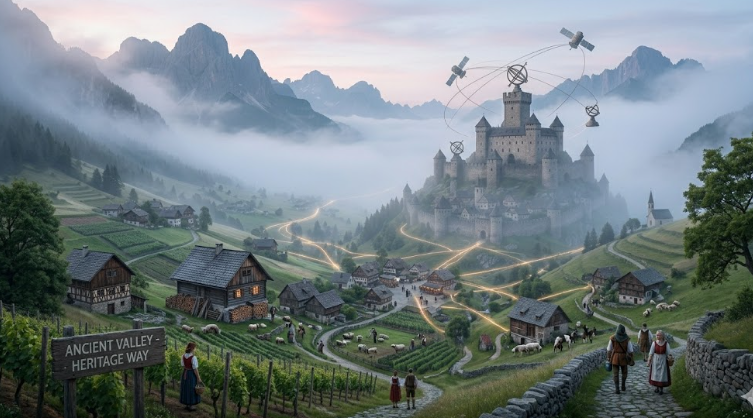
The most well-known interpretations for Peitner is that the Peitner Surname has to do with its topographic roots. Simply put, this implies that the name was most likely utilized to identify the place where someone lived, instead of the person they were. When we were in the middle ages of Europe there were no names that were modern in the sense. Instead, they were characterized by their surroundings – like living near an area of hills, valleys or rivers.
In this regard, Peitner is believed to be connected to mountains or high-altitude landscapes especially those that are found within Alpine regions. Imagine a family that lives on a slope or close to an mountain ridge. In time, other members of the community could refer to them in relation to their area, and later the description could become their personal name. This kind of name was very common, particularly in areas of mountainous and rural regions in which geography played a significant aspect of daily life. It demonstrates how much people were bonded to their surroundings, and how this connection formed their identities.
Linguistic and Etymological Roots
Beyond geographical boundaries, the name is ascribed to the linguistic roots of Germanic tradition. Certain researchers believe that Peitner could have come from regional words such as Peit and Peitl which were spoken in local dialects. The words could not have a literal translation currently, but they may have were referring to specific features of the land or local identifyrs.
ner” is a suffix that’s “-ner” is crucial. In German-speaking areas it is typically “from” or “associated with.” When you pair it with an element that is rooted that is a name, it essentially describes the person’s source or relationship to a particular place. When taken together, Peitner could loosely mean “a person from a particular place” or anyone who is associated with a particular geographical area. This demonstrates the way that location and language worked together to create surnames in the past in Europe.
Connection Between Peitner and Peintner
Spelling Variations and Their Origins
The most crucial aspects to learn regarding Peitner’s surname is that the Peitner surname is the close connection it has to Peintner. Many historians believe that the two names are derived from an identical root. The differences in spelling are not uncommon, particularly when you think about the way names were written in the past. There was no uniform spelling system. Clerks and record keepers frequently made up names based on how they sound. This means that a family’s name may appear on multiple forms on different documents.
Phonetic Evolution Over Time
As families moved from one region to another or dialects changed their pronunciation changed. Through the years the pronunciation changed, resulting in variations such as:
- Peintner
- Peidner
- Peitl
- Pietner
While these names may appear different, they usually share the identical common ancestor. The phonetic change is a normal aspect of the development of language and explains why surnames have multiple names.
Origin of the Peitner Surname
Geographic Roots in Central Europe
It is believed that the Peitner name is deeply rooted in Central Europe, particularly in areas in which Germanic dialects are used. The most significant roots can be traced to areas like:
- Austria
- Bavaria (Southern Germany)
- South Tyrol (Northern Italy)
The two regions share a similar language and cultural history and that’s why the surname is common across the regions.
Influence of Alpine Culture
What distinguishes these regions is the Alpine terrain. Mountains, valleys, and isolated communities played a huge role in shaping local traditions–including surnames. In these areas the people relied heavily on geography to identify themselves. This is why so many surnames in these areas like Peitner is linked to natural landmarks.
Medieval Naming Traditions
How Surnames Were Created
In in the Middle Ages, populations began to increase, and it became difficult to distinguish individuals using just initial names. To combat this communities began to add names with descriptors.
These descriptors can be built on:
- Location
- Occupation
- Physical traits
- Family lineage
As time passed these descriptors were able to be used as permanent surnames that were passed down over generations.
Role of Geography in Naming
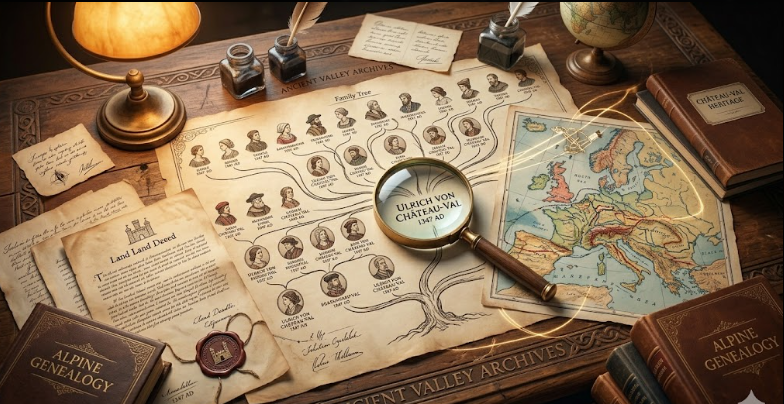
For rural regions, and especially in mountains geography was one of the most significant elements. People were often named in honor of their home and this is the reason for the genesis of many topographic surnames such as Peitner.
Historical Development of the Peitner Name
Early Records and Variations
In the early records there was no way to fix surnames. The same family name may be different in church records, tax documents or land registry. This makes researching history difficult and interesting.
Transition to Modern Usage
As societies were organized, surnames were standard. Families started passing on the same spelling, but certain variations remained because of regional differences.
Variations of the Peitner Surname
Common Variants Explained
As with the majority of European names, Peitner is now many variations, such as:
| Variant | Reason |
|---|---|
| Peintner | Dialect influence |
| Peidner | Phonetic spelling |
| Peitl | Forms that are shorter |
| Pietner | Anglicized version |
Why Spellings Changed
These changes were caused by changes in the language, migration and inconsistent records keeping. However, despite these differences however, they are usually considered to be part of the same family of surnames.
Geographic Distribution of Peitner
Presence in Europe
The surname is typically located throughout Central Europe, especially in Alpine regions from which it came.
Global Spread Through Migration
As time passed, migration brought the name across other regions of the globe, including:
- United States
- Canada
- Australia
- South America
The majority of people with this surname are able to trace their origins through Europe.
Peitner in Genealogy Research
Why It’s Valuable for Family History
Because the surname is a rarity which makes it easier to track down compared to popular names. It is also less likely to cause confusion among families that are not related.
Best Sources for Research
The most reliable sources are:
- Church records
- Census data
- Records of immigration
- DNA testing
These tools aid in creating an even more complete picture of the family’s history.
Cultural and Historical Significance
Identity and Heritage
The surname is more than just a name. It is a reflection of identity, tradition and the cultural heritage.
Connection to Land and Tradition
Its possible topographic origin demonstrates how closely families from the beginning were influenced by their surroundings.
Common Misconceptions About Peitner
| Misconception | Reality |
|---|---|
| It is a fixed word with a specific meaning. | It can have many interpretations. |
| All Peitners have a connection | There are some that may have distinct origins. |
| It’s contemporary | It goes back to the medieval era. |
Why the Peitner Surname Still Matters
Today even today, the Peitner name has value in:
- Genealogy researchers
- Historians
- Families are exploring their ancestral roots
It acts as an opportunity to remind us that names have a long-lasting impact on the lives of generations.

Conclusion
It is believed that the Peitner name is an excellent illustration of how names be a source of information about geography, language and the past. It is rooted to Central Europe and formed in the form of Alpine landscapes, the name reflects generations of change in the culture. Although it’s not common and elusive, it is still able to link modern families to their ancestral roots and is a vital topic for genealogy as well as studies of historical significance.
FAQs
1. What is the meaning of the surname Peitner signify?
It is likely to refer to a person living in a high or mountainous zone.
2. Where did Peitner originate from?
It is a product of Central Europe, especially Austria and Bavaria.
3. Is Peitner a rare surname?
It’s true that it’s rare in the world.
4. Is it possible that Peitner and Peintner are related?
They’re closely related variants.
5. The surname was first mentioned in the year 2000?
It goes back to the middle ages of Europe.

A Senior SEO manager and content writer. I create content on technology, business, AI, and cryptocurrency, helping readers stay updated with the latest digital trends and strategies.