


THE TERM PXLESS
- px — abbreviation of “pixel,” the tiny dot that is used to measure the screen’s contents
- less which means fewer or with
- Also, pxless is less dependent on fixed values for pixel sizes.
In simple terms, PXless is a method of creating apps and websites where you don’t not utilize precise pixel sizes for everything. Instead, you employ adjustable measurements that automatically increase as well as shrinks to suit any displaysuch as a small smartphone or a large TV or whatever in between.
What Even Is a Pixel?
Before we proceed Let’s ensure that we know about pixels. the pxless function is an answer to the way pixels were employed (and used in a way that was not intended). A Pixel is the tiniest dot on an LCD. The millions of small pixels glow and form images of text, colors, and other elements that you are able to see on your phone or the computer screen.
When it comes to web-based design, “px” is also an unit of measurement. Designers would declare things such as “make this button 200px wide” or “set this text to 16px.” This worked well during the early days of the internet, in the days when everyone had the same-sized monitors on desktops. What about today? We are seeing websites using devices of various dimensions. This is the point where pixels begin to fail, and where pxless enters the picture.PhonesLaptopsSmart TVsSmartwatchesAR / VR
The issue with fixed pixels
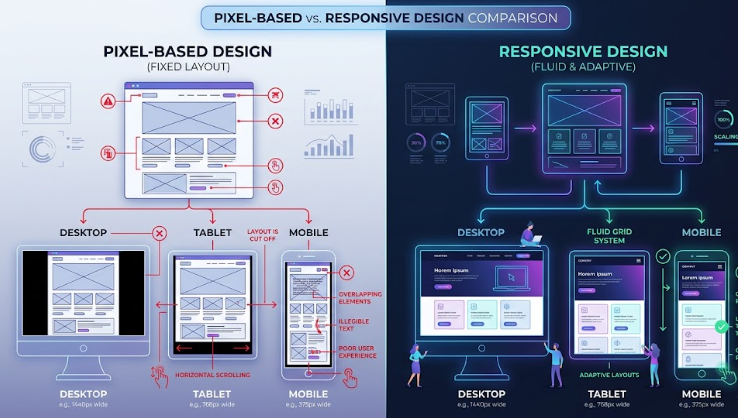
Imagine that you are designing an online site and you set every component with precise pixel sizes. On your laptop’s display, everything looks great. But, then:
- A small screen phone the text is too large, and buttons take up the screen
- On a large screeneverything appears tiny, as if ants were on glass
- When users zoom inthe text is removed or is overlapping with other content
- If you have a person who requires more font (vision issues) The layout is completely broken.
- If a brand new device type is introduced, you need to design everything starting from scratch
A fixed-pixel design is similar to drawing a map using pen. If anything changesan old road or cityit is necessary to remove the entire map and begin again.
How Pxless Design Works
The Pxless design is based upon three fundamental concepts. Once you grasp these concepts all the rest makes sense.Relative UnitsMeasurements should be an amount of something else, not a set number.Content First Let the content determine what space it requires Don’t try to place content in fixed boxes.Fluid SystemsCreate rules and ratiosNot fixed sizes. Everything scales automatically.The primary question is different. In lieu than asking “How many pixels wide should this be? “, the designer of pxless asks: “How should this feel and change to the changing screen? “
Important: Pxless Does NOT Mean Zero Pixels
Screens continue to utilize pixels for displaying images. Pxless is not a way of removing the pixels on your display! It’s ending the use for predefined “px” measurements to determine your layout, spacing and text size. It is still possible to utilize px to control tiny things, like borders that are thin (1px lines). But what about the overall structure? It needs to be flexible.
The Units Pxless Uses Instead
These are the units that can be flexibly used that pxless design depends on. These are the tools in the trade:
| Unit | What It Means | Best Used For | Scales With |
|---|---|---|---|
| rem | In relation to the base (base) the font’s size | Text sizes, spacing | User font settings |
| em | The parent element’s size for fonts | Padding Local spacing | Parent element |
| % | Percentage of the container that is the parent | Layout columns, widths | Container that is parent |
| vw | Percentage of the viewport’s (screen) length | Hero text, full-width sections | Screen width |
| vh | The percentage of viewport (screen) height | Full-height sections | Screen height |
| clamp() | Sets a preferred, minimum value, and a maximum value | Fluid typography | Screen size is automatically determined |
Here’s an illustration of the distinction. Old way (pixel-based) vs new way (pxless):Older methodfixed pixel size*size: 16px;Always 16px, regardless of the *size you choose. Pxless method -adjusts to the user’s settings **
Font-size: 1rem.* 16px by default but can increase if the user requires it larger Better yet -fluid, adjusts to screen size
Font-size: clamp(1rem, 2.5vw, 1.5rem) • min 16px, maximum 24px smooth scaling */
10 Powerful Benefits
Here are 10 solid and proven reasons that the pxless style is superior for your visitors, you as well as your site:1
Works on Every Screen Automatically
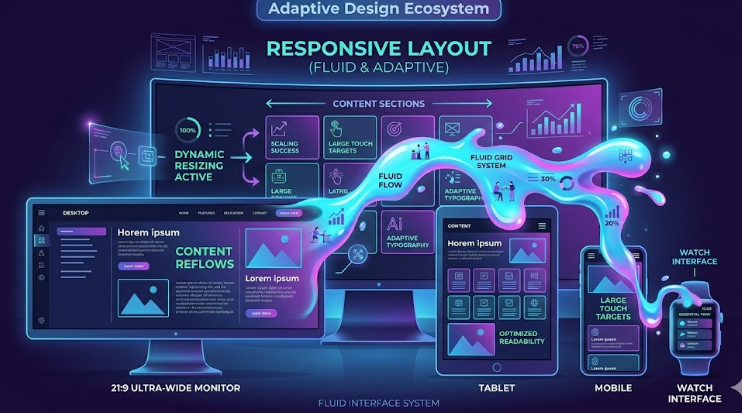
Tablets, phones, laptops TVs, and other devices — PXless layouts can be adapted to any of them, without the need for a separate design for each. One design, infinite screens.2
Better Accessibility Helps More People
A lot of people increase the text size to make it more comfortable or to meet vision requirements. Pxless designs adhere to these settings. When text increases and the layout changes. Nobody gets left out.3
Faster Load Times Better Performance
Less pixel overrides means lesser CSS code. Less code means faster loading. A faster loading experience means happier users as well as higher Google rankings.4
Better SEO -Google Rewards It
Google rates mobile-friendly, speedy and accessible websites higher. Pxless design is able to provide all three. This isn’t just an excellent design, it’s a great business.5
Less Code to Write and Maintain
With pxless you write fewer rules and less media queries (code which adjusts design according to different screen sizes). This makes it simpler to update, manage and correct.6
Future-Proof Works on Devices That Don’t Exist Yet
Every year – smartphones that fold up, AR glasses, car dashboards. Pixel-locked designs are not able to adapt. Pxless designs can -due to its rules being fluid, not fixed.7
More Creative Freedom for Designers
If you stop obsessing about precise pixel values and start thinking about proportion, shape and sensation. Pxless can unleash more creativity not less.8
Better Team Collaboration
Instead of fighting over “should this be 14px or 15px? ” Pxless teams talk about structures, meanings and the user experience. Faster decisions, better results.9
Consistent Look Across All Devices
Pxless systems are based on rules and ratios which means that every component scales in a proportional way. The design will always look even, regardless of whether it’s smaller phones or a large screen.10
Fewer Redesigns -Saves Time and Money
Since pxless layouts naturally adapt so they fail less often. This means fewer fixes for emergencies less redesigns, and more time to develop new features rather than patching existing ones.
Pxless vs Pixel-Perfect Design
| Feature | Pixel-Perfect Design | Pxless Design |
|---|---|---|
| Units that are used | Fixed the px values | rem, em, %, vw, vh |
| Adjusts to screen size | Often breaks | The system is able to adapt quickly |
| Respects user font settings | No | Yes |
| Accessibility | Often poor | Built-in |
| Complexity of code | Need more code | Cleaner, less code |
| Speed of loading | Slower | Faster |
| SEO’s impacts | Lower ranking risk | Higher rankings |
| Works with new devices | Redesign is needed | Automatically adapts |
| Design freedom | Constrained | Space for more creativity |
| Collaboration between teams | Pixel debates | Concentrate on the what it means |
How to Start Using Pxless Design
There is no need to write everything over again. Begin small and then grow from there. Here are the initial steps:1
Change Font Sizes from px to Rem
This is the simplest first step. Replace the font-size 16px by the font size 1rem. The same size is the defaulthowever, it now respects the settings of the user.2
Use Percentages for Layout Widths
Instead of width of 600 pixels instead, select width of 75 percent. It will fill 75% of its space regardless of size screen.3
Use CSS Grid and Flexbox
Modern CSS tools are designed for thinking without pixels. They can create flexible, fluid layouts that automatically adjust -without you having to specify precise dimensions of pixels.4
Replace Spacing px Values for Spacing with Rem
Margins gap, padding, and marginsChange the font from px into Rem. When the font’s base size changes, the entire spacing will increase to match it. Everything remains proportional.5
Tools That Support Pxless Design
The good news is that the majority of modern tools for design and development allow pxless design right from the beginning. These are the most effective tools:Figma Utilize the Auto Layout as well as relative size for building PX-free components. The most widely used design tool.CSS Grid A powerful application to create fluid and px-free layouts. Make use of minmax() and auto-fit to create highly flexible grids.Flexbox Ideal for pxless row and column configurations. Elements shrink and grow according to the space available.Tailwind CSS Utility-first CSS framework that has built-in rem-based spacing and utility tools that are responsive.clamp() Native CSS function to create fluid typography.
The Future of Pxless Design
The screen world is becoming more complicated every yearand not any easier. Mobile phones that fold, AR headsets, smart car displays, wearables interactive walls. Fixed-pixel design is unable to be kept up. Pxless design isn’t an emerging trend that is going to fade away. It is the natural course for the entire industry. This is how the future holds:
- Container queries — a brand new CSS feature which allows elements to respond to the size of their container rather than just the size of the screen. Plus, it has more power without pixels.
- AI assisted layout — software that automatically create fluid PXless layouts that are based on the information. Create faster and with more effective outcomes.
- Design tokens Teams can stop fighting over pixels and will instead use an open, flexible system of tokens instead.
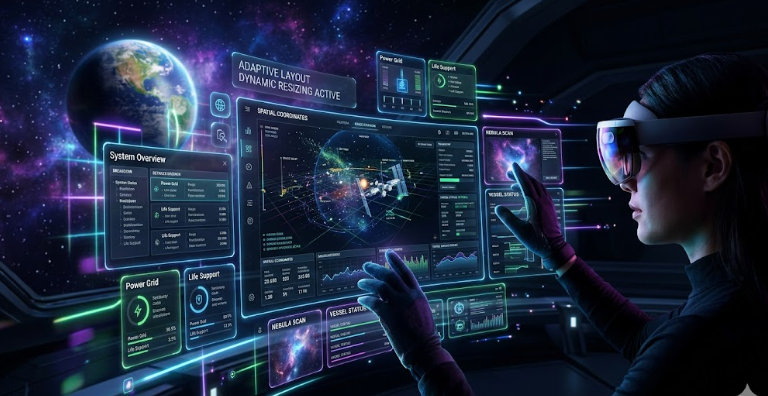
- Spatial computing -The – AR or VR user interfaces do not have a “screen size” in the traditional sense. Principles of Pxless are the best way to design these types of interfaces.
- universal design Accessibility is expected to become a lawful requirement in many nations. Designing with Pxless is the best user-friendly design.
- Pxless was the language spoken by the past screens. Pxless is the grammatical language for the future’s digital experiences.
Conclusion
Keep it easy, as pxless is all about simplicity.The internet was once one size of screen. Today, it has a multitude of screens. Pixel-perfect design was created for one place. Pxless design was created to be used in the real world. No matter if you’re a graphic designer, developer, startup founder or simply anyone who runs a site — pxless thought will improve your digital products. Faster. Accessible. Future-proof. It is not necessary to make any changes today. Start by making one change to change your font size from PX to Rem. One change is your first step toward a design that is pxless — and can make a difference that you can gauge.

A Senior SEO manager and content writer. I create content on technology, business, AI, and cryptocurrency, helping readers stay updated with the latest digital trends and strategies.